

Wholesale catalog
Seven ways to read a catalog
Every blank and carton accounted for, shelf to shipment. Compare blank apparel, fashion apparel, and base styles for private label by use, sizing, and quantity before you send an inquiry.
Santa Fe Springs floor
14114 Rosecrans Ave — bulk blanks, boutique fashion, and private label base styles counted by size run, not by headline.
Start with intended use
Compare before you commit
A wholesale catalog only helps if a buyer can compare styles by intended use. Blank apparel for printing, fashion apparel for resale, and base styles for private label programs each ask for different fabric, sizing, and quantity decisions.
Blank basics for decoration Tees, hoodies, fleece — fabric first
Blank t-shirts, hoodies, and fleece remain the backbone of decoration work. Buyers look at fabric weight, surface, and color range before they look at price. A lighter blank may suit a summer print run, while a heavier fleece may suit embroidery or cold-weather resale. Requesting a sample in the exact size and color planned for production prevents most surprises.
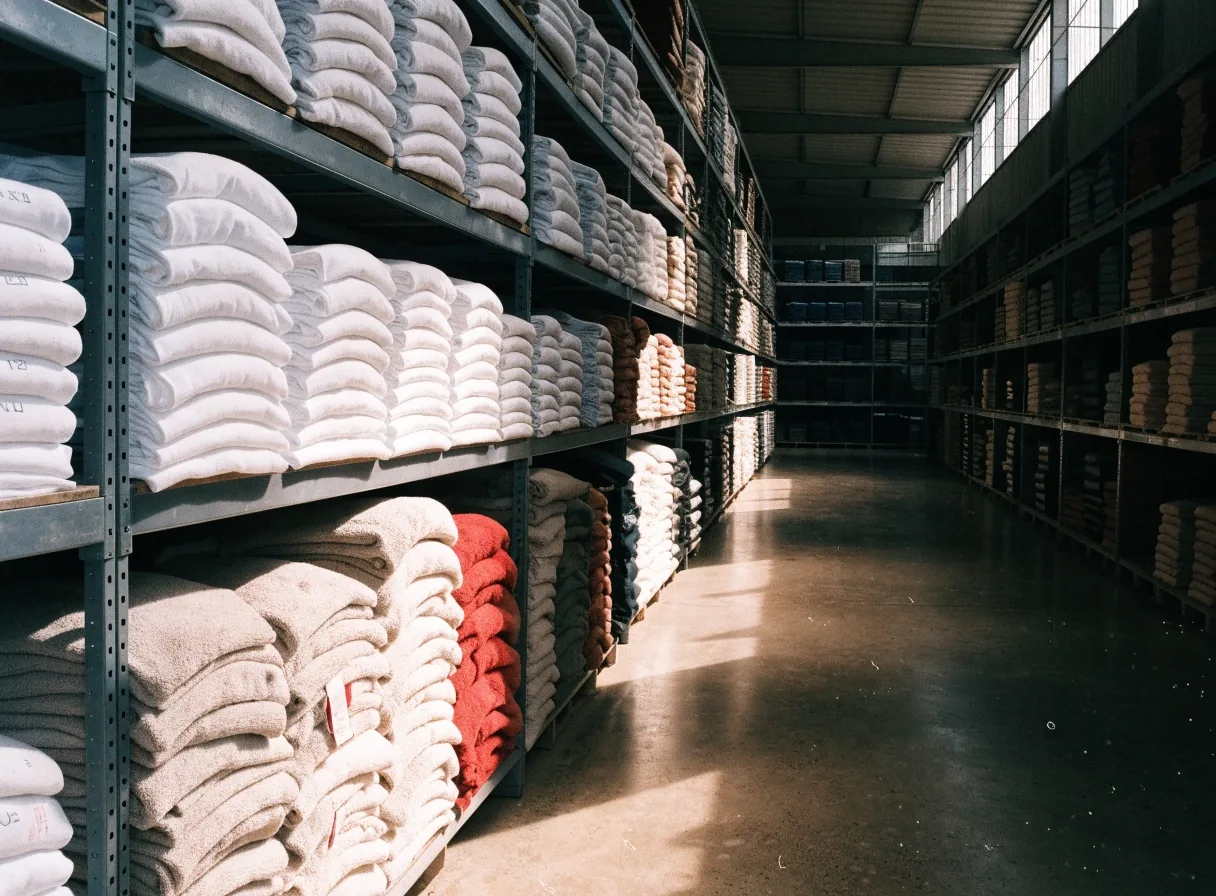
Decoration blanks — sample first
Check surface and shrinkage in the production size before a bulk run.
Imprintables and the decorator market Print and embroidery supply
Imprintables are apparel intended to receive a printed or embroidered design. The U.S. imprintables market includes large distributors and well-known blank brands. S&S Activewear announced in 2025 as the exclusive wholesale distributor for American Apparel in the U.S. imprintables market. Gildan appears frequently in decorator buying for basics used in printing and resale. Those facts show how brand ownership and distribution shape which blanks a buyer can source at volume.
Trend-led fashion for resale Silhouette and size-run depth
Trend-driven fashion wholesale serves retailers that need current styles without building a line from blanks. Boutique buyers look at silhouette, fabric, and size run depth. A style that sells in one size but breaks in others creates markdowns. Confirm case quantities and whether replenishment is realistic before committing to a full seasonal buy.
Private label base styles Repeatable garments, season to season
Private label apparel starts with a base style the buyer can repeat across seasons. Consistency matters more than novelty because labels, packaging, and marketing build on the same garment. Check fabric, shrinkage behavior, and size grading before placing a first bulk quantity. A base style that changes between runs creates problems that price alone cannot fix.
Open a row to see what to check in that category. The full comparison continues below.

Sizing and minimums
Sizing, grading, and color depth
Sizing consistency across colors is a frequent source of complaints in wholesale buying. Ask whether colors in the same style share the same grading and whether certain colors run smaller. Size runs should be planned by category, because a t-shirt run and a fleece run move at different rates. The sourcing standards page explains how sizing consistency is checked for catalog styles.
Minimum order thinking
Minimum order requirements vary by style, color, and factory or distributor packing. A single color in a full size run may meet a minimum more easily than a wide color spread in shallow quantities. Prepare a size breakdown before asking about a minimum — that preparation also makes it easier to compare quotes across suppliers on the same basis.

Two routes to stock
Boutique wholesale and where to buy
Boutique wholesale clothing focuses on curated assortments, often women's apparel, for small retailers and online sellers. Bloom Wholesale is known for boutique-oriented women's apparel in wholesale guides. Grace + Emma Wholesale focuses on women's apparel for small retailers seeking contemporary basics. That boutique model differs from a broad-line distributor that stocks blanks across many categories.

Marketplace finds versus direct catalog buying
Marketplaces such as OrangeShine connect boutique and online buyers with many vendors in the Los Angeles wholesale ecosystem. A direct catalog gives a buyer one operation, one packing standard, and one point of contact. Both routes have a place. Weigh convenience against control over sizing, carton contents, and replenishment.
- Marketplace: many vendors, quick discovery for boutique finds.
- Direct catalog: one packing standard, one contact, repeatable size runs.
Before you inquire
Bring a size breakdown
Narrow the list first, then send one clear inquiry. That helps us check stock by color and size run, compare case quantities, and answer on the same basis as other suppliers.
Bond of Brotherhood, Inc — 14114 Rosecrans Ave, Santa Fe Springs, CA 90670. Monday to Friday, 9:00 AM to 6:00 PM. [email protected]
What to prepare
- Style and intended use — decoration, resale, or private label base style.
- Size breakdown by color — a t-shirt run and a fleece run move at different rates.
- Quantity per carton — case quantities and replenishment needs, so minimums can be checked.
Catalog questions
Which suppliers are best for blank apparel versus boutique fashion?
Broad-line distributors carry wide blank assortments for decoration, while boutique wholesalers curate women's and trend-led fashion for resale. The right choice depends on whether the buyer will decorate the garment or sell it as finished fashion.
What should a buyer check before ordering blanks in bulk?
Check fabric, surface, shrinkage behavior, size grading, and color availability in the exact sizes planned for production. A sample in the production size and color reduces risk.